Restoring Hopes, Restoring Smiles ®

Far Too Young envisions a society free from child, underage and forced marriages - a society where girls and women feel valued and reach their full potential.

Please Support Us.

Tax ID: 87-3583633

Far Too Young is a United States 501(c)(3) Non-Profit Organization.

Our work is supported entirely through donations. 100 percent of your contribution is tax deductible.

A CHILD BRIDE

Gender discrimination is embedded in the legal system and social structures; along with poverty, it is the root cause of child marriage. Globally, this illegal practice robs over 12 million girls yearly of their childhoods and forces them into marriages before adulthood, heavily impacting South Asia and sub-Saharan Africa. Specifically, every year 4 million girls under the age of 15 are victims of child, underage, and forced marriages in South Asia alone. This deprivation denies them their rights to education, reproductive healthcare, and consensual marriage.

Once married, child brides face lifelong servitude, domestic violence, pregnancy complications, and early childbirth mortality. They are also at a high risk of being trafficked or sold. Ultimately, child marriage reinforces the gendered nature of poverty and inflicts a staggering economic toll, costing the global economy an estimated $175 billion annually in lost productivity and healthcare expenses. By limiting a girl's education and skills, it diminishes her lifetime expected earnings, stunts her community, and restricts her country's economic development—hindering her throughout adulthood and into the next generation.
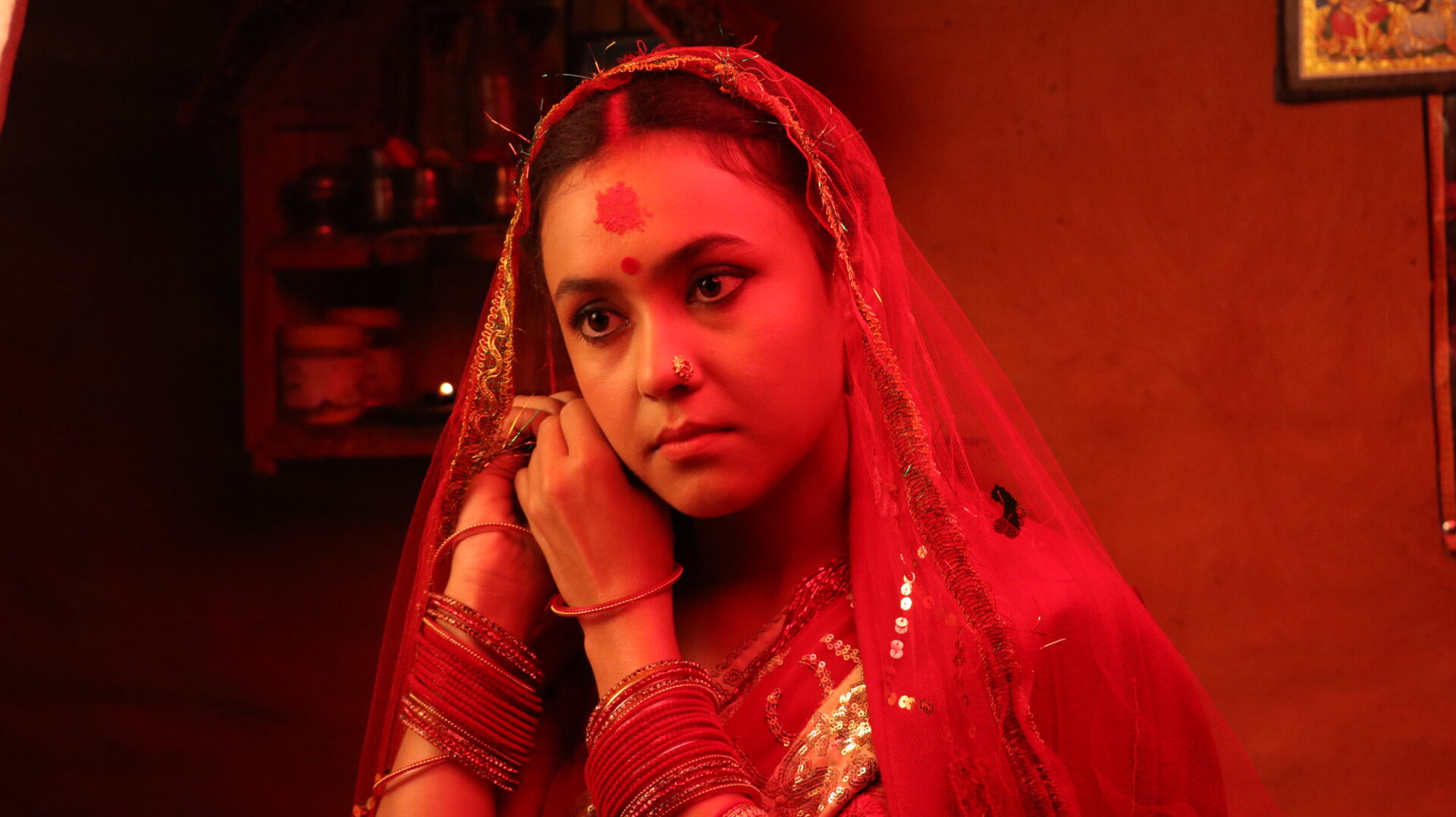
Child bride awareness

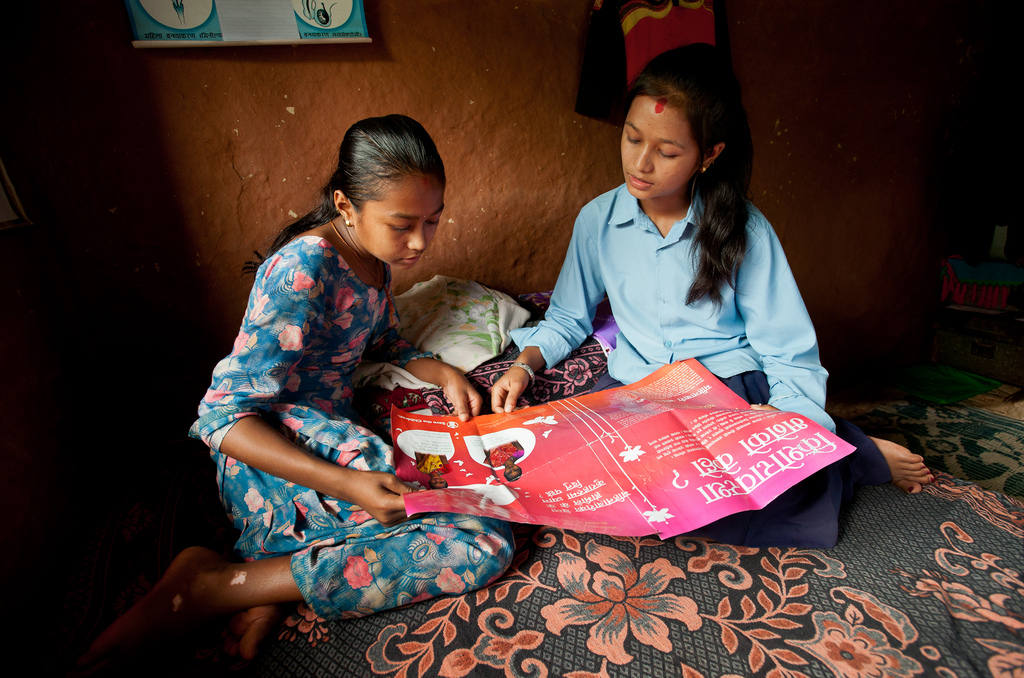
HEAR RANJU, BINITA & HEMA

SOUTH ASIA HAS WORLD'S HIGHEST NUMBER OF CHILD BRIDES

Child Brides in Bangladesh

0M

Married in India before turning 15

0M

Child Brides in Nepal

0M+

Children At Risk due to COVID-19

0M+

WHERE WE WORK

Bangladesh flag

Bangladesh

Bangladesh continues to have one of the world's highest rates of child marriage, with nearly half of women aged 20–24 married before age 18 despite gradual progress over the last two decades.
Poverty, school dropout, climate displacement, and concerns surrounding girls' safety remain major drivers, particularly in rural communities. The latest comprehensive and evidence-based report Accelerating Efforts to End Child Marriage, highlights three key pillars for accelerating progress: investing in girls' education, expanding health services to reduce adolescent pregnancy, and shifting harmful social norms. The report identifies Bangladesh as a leading example where targeted financial incentives and community interventions significantly reduced child marriage while generating measurable economic and social returns. UNICEF and development agencies warn that economic instability and reductions in global aid could slow recent gains, despite growing success from adolescent girls' programs and community-led advocacy.

India flag

India

According to UNICEF, India has reduced child marriage prevalence from 53% in 1996 to 23% in 2021, yet with 222 million child brides, it still accounts for one of the world's largest absolute numbers due to its population size.

Child marriage remains concentrated in poorer rural regions (27% rural vs 15% urban), where gender inequality, economic insecurity, and limited educational opportunities persist—prevalence reaches 40% among the poorest households and 48% among girls with no schooling. An estimated 1.5 million girls under 18 are still married each year. The latest evidence-based report from Columbia SIPA emphasizes three pillars—girls' education, adolescent reproductive health, and social norm transformation—as essential to ending child marriage at scale. Several Indian states have intensified prevention campaigns through school monitoring systems, helplines, and local surveillance during traditional marriage seasons. Despite national progress, localized increases in child marriage cases continue to be reported in some states.

Nepal flag

Nepal

According to UNICEF, 35% of women in Nepal were married before age 18 — significantly above the South Asian average of 25% — making it one of the highest rates in the region for a country of its size.

With 5.4 million child brides and 1.5 million married before age 15, Nepal's prevalence is disproportionately high for a population of only 30 million. The rate reaches 52% among the poorest households and 72% among girls with no schooling. Enforcement gaps and longstanding social traditions continue to sustain the practice despite a legal minimum marriage age of 20. The latest evidence-based report from Columbia SIPA stresses that sustainable progress depends on three core pillars: expanding girls' education, strengthening adolescent health services, and changing the norms that perpetuate early marriage. Recent studies have revealed inconsistencies in how local authorities and courts interpret and implement child marriage laws. At the same time, youth-led advocacy movements and school-based interventions are increasingly helping delay marriage and keep girls in education.

United States flag

United States

As of 2026, only 17 U.S. states and Washington, D.C. have fully banned child marriage — meaning 33 states still permit minors to marry through parental or judicial exceptions.

Between 2000 and 2018, nearly 300,000 minors were married in the United States, with 86% being girls married to adult men. Three states—California, Mississippi, and New Mexico—still set no statutory minimum age for marriage at all. The states that have enacted full bans include Connecticut, Delaware, Massachusetts, Minnesota, New Jersey, New York, Pennsylvania, Vermont, Michigan, Rhode Island, Washington, Virginia, New Hampshire, Maine, Oregon, Missouri, and most recently Oklahoma in 2026. Child marriage is not solely a developing-world issue—the same pillars of education, health protections, and social norm change are critical in developed countries as well. Survivor-led organizations have increasingly reframed child marriage as a human rights and gender equality issue, and according to UNICEF-USA, the biggest barrier to ending the practice remains lack of public awareness and legislative will.

PROTECT THE RIGHTS OF THE GIRL CHILD

GBV : Child Marriage
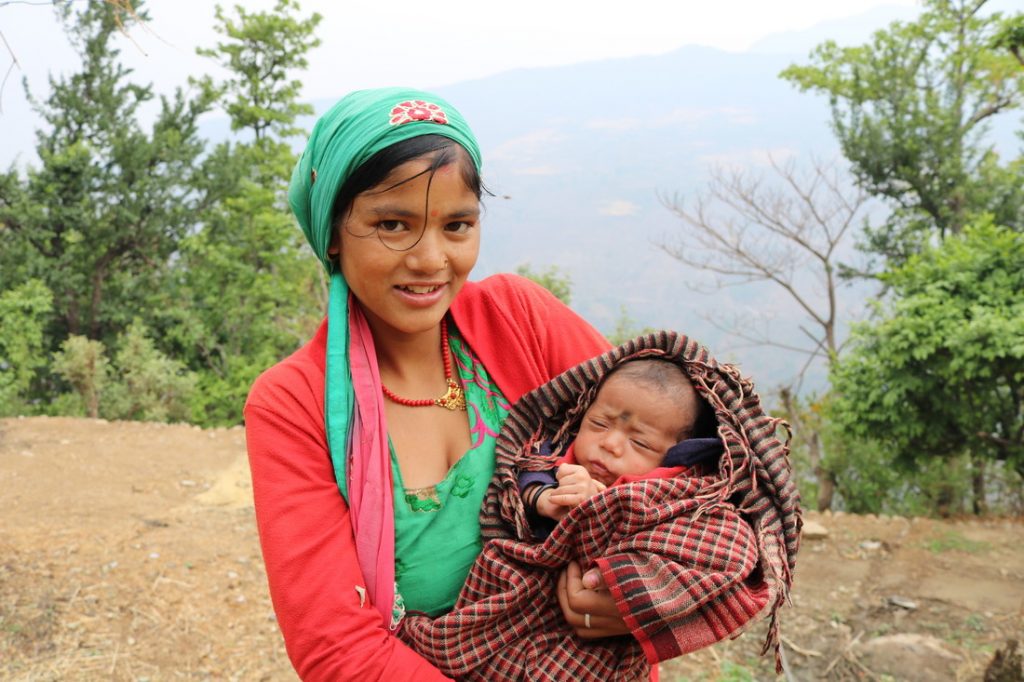
GBV : Child Marriage

Why is Child Marriage Wrong
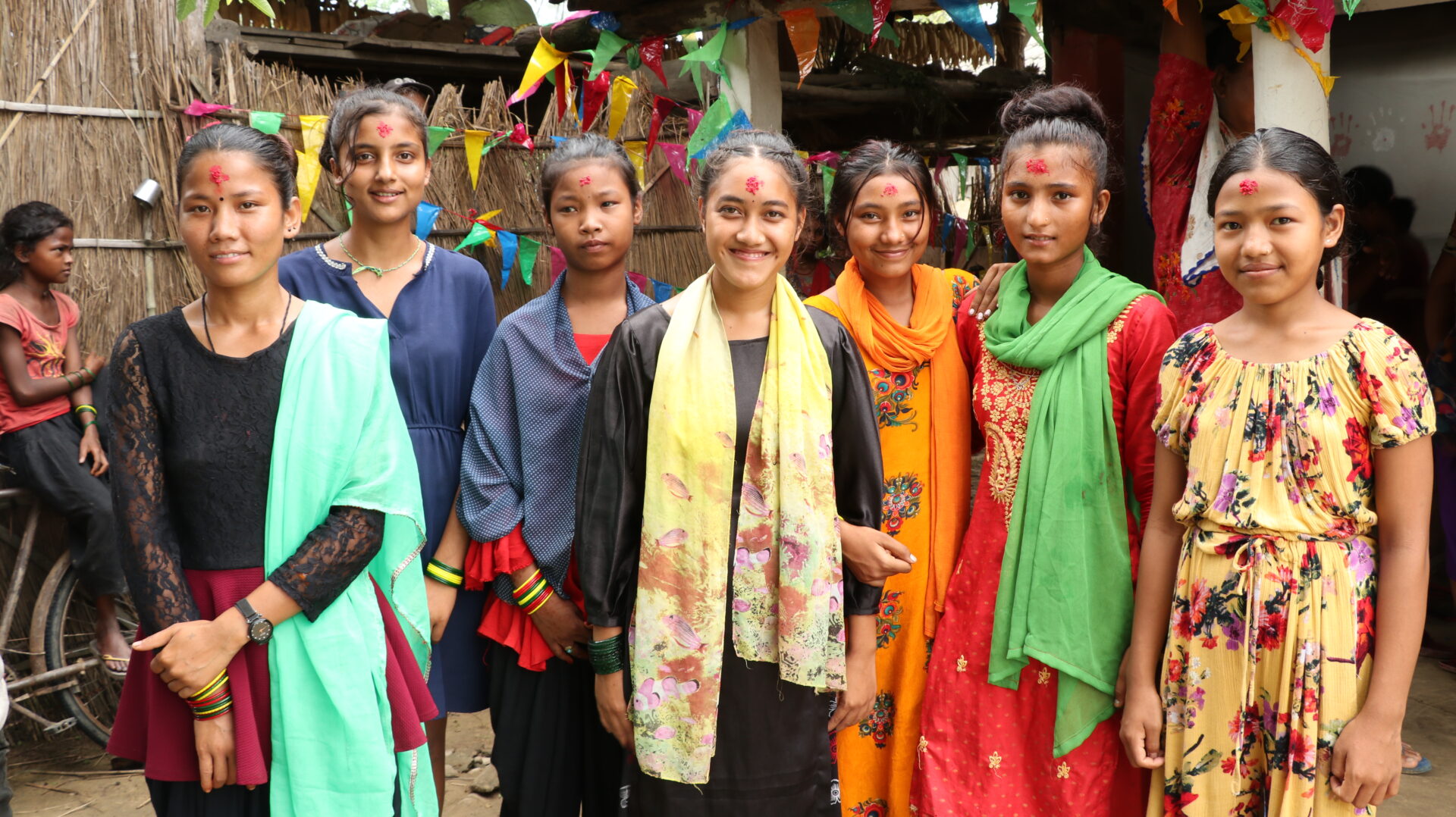
Why is Child Marriage Wrong

Why Child Marriage Happens

Why Child Marriage Happens

IF WE DO NOT END CHILD MARRIAGE, NINE SUSTAINABLE DEVELOPMENT GOALS CANNOT BE MET
SDG 1
SDG 2
SDG 3
SDG 4
SDG 5
SDG 6
SDG 7
SDG 8
SDG 9
SDG 1
SDG 2
SDG 3
SDG 4
SDG 5
SDG 6
SDG 7
SDG 8
SDG 9